

Care Cabro Paver Blocks Maintenance: Maintaining and Cleaning cabro paving blocks - for Long-Lasting Shine ( in Kenya Guide)
- Dada Paver

- Aug 22, 2025
- 4 min read
Updated: Sep 28, 2025
How to Maintain Cabro Blocks in Kenya?
A well-installed cabro surface should stay strong, stylish, and safe for years. Regular care is essential. This guide covers post-installation care, monthly and seasonal routines, and how to handle stains, weeds, sinking, and sealing. It applies to all coloured cabro, 3D designs, hexagon/arrow/circle patterns, paving slabs, flooring tiles, and 80mm heavy-duty cabro used on driveways, walkways, gardens, and parking areas across Kenya.


Cabro Paver Maintenance: Long-Lasting Shine
After Installation (Day 0–7)
Keep it clean & dry: Sweep off sand and grit. Avoid parking heavy vehicles for the first few days.
No harsh washing yet: Let jointing sand settle. If cleaning is necessary, use only a light rinse with water. NO acid or harsh soaps.

Use only water & soft Plasting Brus to clean. Do NOT harsh chemical or detergent. Check drainage: Ensure water flows away, not pools. Fix gutter downpipes and edges if water stands.
Weekly & Monthly Care
Dry sweep: Dust and soil act like sandpaper on coloured and 3D finishes. Sweep weekly to maintain brightness.
Gentle wash: Once a month, wash with water and a mild pH-neutral detergent. Use a soft brush. If using a pressure washer, keep the lance at least 30–40 cm away. A close distance can dislodge jointing sand or mark coloured surfaces.
Joint top-ups: If joints appear low after heavy rains or washing, brush in polymeric sand (or kiln-dried sand if polymeric isn’t available). Properly filled joints reduce weeds, ant activity, and water ingress.



Stain Removal (Oil, Rust, Tyre Marks, Efflorescence)
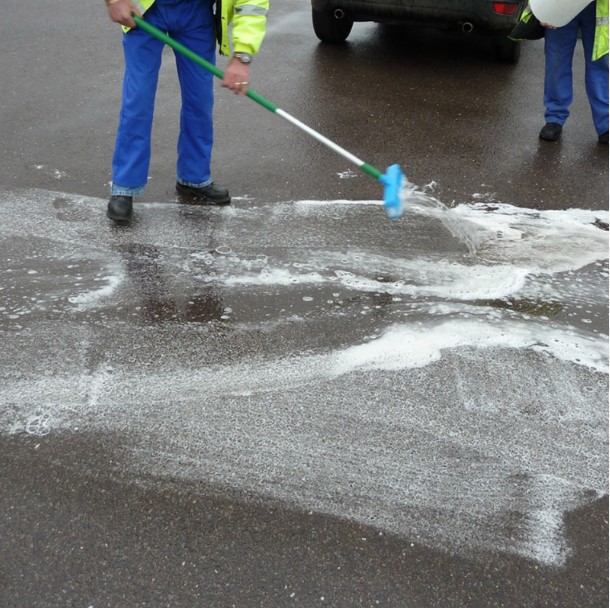
Oil & grease (driveways/parking): Blot fresh spills immediately. Apply a concrete-safe degreaser, agitate with a nylon brush, and rinse thoroughly. Avoid solvent baths that can fade colour.
Tyre marks: Use warm water, mild detergent, and firm brushing. For stubborn marks, use a paver-safe cleaner.
Rust from garden furniture: Use a concrete rust remover. Test on a small hidden area first.
Efflorescence (white salt haze): Normal on new installs. Usually fades with rain and cleaning in 2–3 months. If needed, use an efflorescence cleaner per instructions.


Weed & Moss Control
Prevention first: Full joints, good drainage, and sunlight reduce growth.
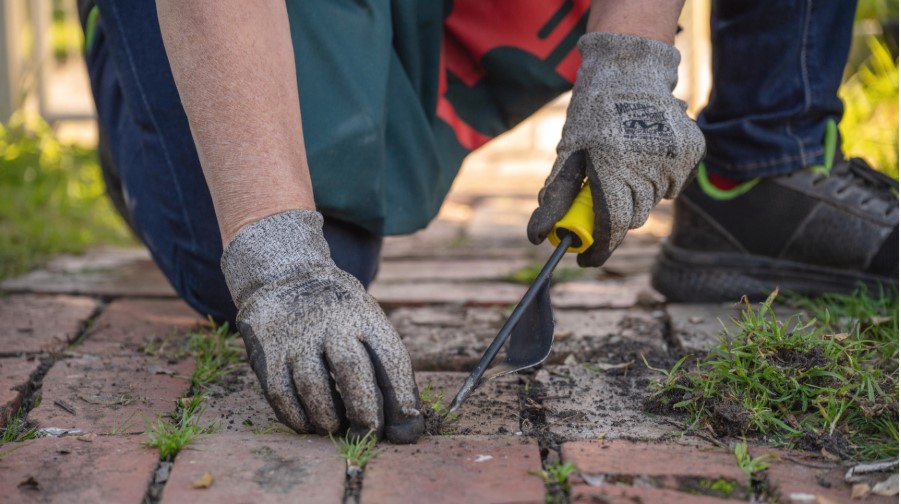
Manual removal: Hand-pull or use a joint scraper.
Treatment: Apply a paving-safe algaecide/biocide if needed. Avoid strong bleach, as it can fade coloured cabro. Rinse well after any treatment.


Sealing: When, Why, and How
Sealers protect colour, reduce staining, and simplify cleaning.
When to seal: Typically 4–8 weeks after installation (or when fully dry and clean). Re-seal every 2–3 years depending on traffic and sun exposure.
Type: Use a paver/concrete-specific sealer—matte, satin, or gloss. For driveways and parking, choose a sealer with stain and UV resistance.
Application: Clean thoroughly; let it dry for 24–48 hours. Apply thin, even coats (usually 1–2). Keep traffic off until cured as per product label.
Heavy Loads, Edges & Repairs
Heavy traffic: Use 80mm heavy-duty cabro for petrol stations, trucks, and commercial parking. Reserve 60mm for residential driveways and walkways. Choose wisely to protect your investment, read out post carefully a complete buyer's guide at https://www.dadapaversltd.co.ke/post/cabro-paving-blocks-kenya




Edge restraints: If edges loosen, reset with concrete haunching or replace the damaged edge blocks.
Sunken areas: Lift pavers, re-level and compact the base, replace bedding sand, and relay.
Cracked blocks/slabs: Replace individual units rather than patching.
Seasonal Checklist (Kenya)
Rainy seasons: Clear silt from joints after storms; re-sand if needed. Confirm water flows to drains.
Hot/dusty periods: Sweep more frequently. Consider a UV-resistant sealer to protect coloured and 3D finishes.
Under trees: Remove leaf litter promptly to prevent tannin stains.
Quick Care Schedule for cabro blocks in Kenya
Weekly: Sweep high-traffic areas.
Monthly: Gentle wash and visual check of joints.
Quarterly: Spot-treat stains, weed control, and top up joints.
Every 24–36 months: Clean and re-seal.
When to Call a Professional
Persistent sinking, poor drainage, widespread weed or moss growth, or oil saturation on driveways or parking areas require professional help. An expert can assess the base, drainage, and recommend repairs or re-sealing.
Get Expert Help
Need assistance with cleaning, sealing, or repairing coloured cabro, 3D cabro, paving slabs, or concrete parking tiles? Our team serves Nairobi and major towns in Kenya with affordable, professional maintenance and upgrades. Contact Dada Pavers to keep your surface strong and shining for years.
FAQ
Q1. How often should I seal cabro pavers in Kenya?
Every 2–3 years for most homes; 1–2 years in busy commercial or parking areas or intense sun.
Q2. Can I pressure-wash cabro?
Yes—use a wide fan, keep a distance of 30–40 cm, and re-sand joints after washing if needed.
Q3. What’s the best way to remove oil stains?
Use a concrete-safe degreaser soon after the spill. Scrub with a nylon brush and rinse well.
Q4. Why do my new pavers have a white haze?
That’s efflorescence—natural salts coming to the surface. It usually fades; cleaners can speed it up.
Q5. Which thickness should I choose for driveways and parking?
60mm for most residential driveways and walkways; 80mm heavy-duty for petrol stations and commercial parking.
🔗 References
https://www.propavers.co.ke/maintaining-and-cleaning-cabro-pavement/
https://omconcreteproducts.com/blog/maintenance-tips-for-paver-block
https://www.aviarapavers.com/blog/how-to-remove-stains-pavers
https://www.installitdirect.com/learn/how-to-remove-tire-marks-from-concrete-pavers/
https://www.angi.com/articles/solutions-most-common-paver-problems.htm
https://www.daviscolors.com/wp-content/uploads/2016/08/DC1013.pdf
https://realbrotherscleaning.co.ke/cabro-cleaning-services/
Feel free to call us on 0700 57 57 57 or 0700 59 59 59 for any cabro-related need.
Disclaimer: The information shared in this blog is for general awareness and educational purposes only. It should not be considered professional or technical advice. For specific guidance on your project, always consult a qualified expert.

Comments